

EMDR Basic Training Book Club
Sign up here
(Pay what you can pricing at available at checkout)
Read the foundational text—together, thoughtfully, and in real life.
If you’ve completed EMDR Basic Training, there’s a good chance you own the book that underpins the entire model:
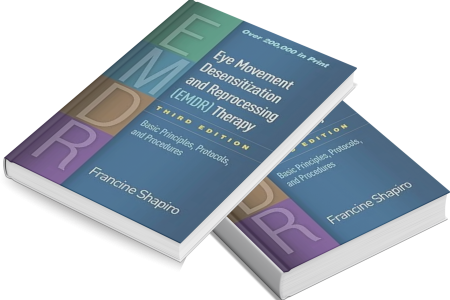
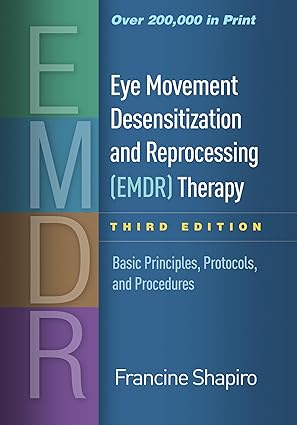
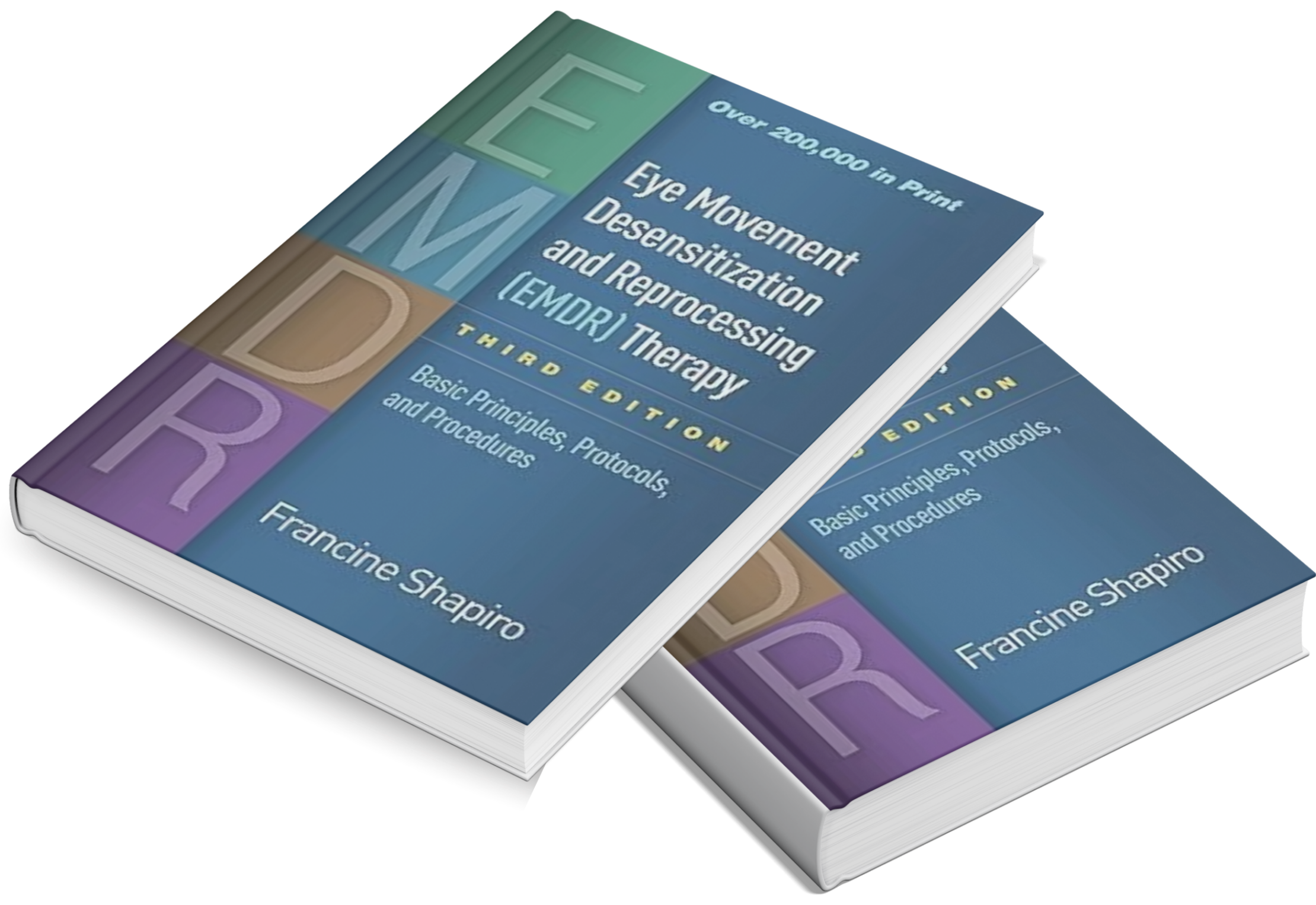
EMDR Eye Movement Desensitization and Reprocessing: Basic Principles, Protocols, and Procedures, Third Edition by Francine Shapiro.
And there’s also a good chance you didn’t quite make it all the way through.
That’s not a character flaw.
It’s a reality of modern clinical life.
This book is dense, foundational, and essential—but reading it alone, after long days of client work, is a tall order. This book club exists to make that work doable, meaningful, and clinically relevant.
What This Book Club Is
This is a low-cost, clinician-focused book club designed to support therapists who want a strong, ethical, and grounded relationship with the EMDR model—not just the steps of the protocol, but the principles that guide good decision-making in real sessions.
We will read the book:
at a humane pace
with light accountability to help you actually finish it
through the lens of real-life clinical examples, drawn from how EMDR is used with clients
with attention to nuance, common questions, and places therapists often feel unsure
This is not a lecture series.
It’s not remedial.
And it’s not about doing EMDR “perfectly.”
It is about understanding the model well enough to practice with confidence and integrity.
Guided by EMDRIA Consultant-in-training, Renee Groenemann (basic training completed in 2010) to draw on the group’s clinical expertise while checking the box of covering the foundations!
Who This Is For
This book club is a good fit if you:
Have completed (or are completing) EMDR Basic Training
Want to feel more aligned with the EMDR model as it is currently defined
Appreciate thoughtful discussion for artful application while sticking to the integrity of the model
Learn best in community and conversation
Would benefit from just enough accountability to pull the book across the finish line
Plan to continue your professional development, including consultation or certification, now or in the future
How We’ll Approach the Book
We’ll read EMDR Eye Movement Desensitization and Reprocessing: Basic Principles, Protocols, and Procedures with an emphasis on:
Understanding why the protocol is structured the way it is
Translating theory into what actually happens in session
Clarifying areas that often feel murky or overly abstract
Staying aligned with protocol while remaining clinically flexible and human
The goal is not just to “get through the book,” but to come away with a clearer internal map of the model—one you can actually use.
Practical Details
Low-cost, accessible format
Designed for working clinicians
Discussion-based, with guided structure
Casual, professional, accountable
Choose Friday (12pm EST) or Saturday (11am EST) meeting time when you register. Meetings start March 13/14, 2026
Meet over 4 months to cover the content (March 13/14, April 10/11, May 8/9, June 5/6)
Sign up here
Need the Book?
If you don’t already have a copy, you can purchase it here:
(This is an Amazon affiliate link, which means I will receive a small percentage of the purchase.)
Final Note
Many therapists practice EMDR competently for years without ever fully engaging the foundational text. Reading it—especially in community—can quietly deepen your work, clarify your confidence, and support ethical alignment over the long term.
You don’t have to do it alone.
And you don’t have to do it perfectly.
You just have to start.
Join the EMDR Book club: